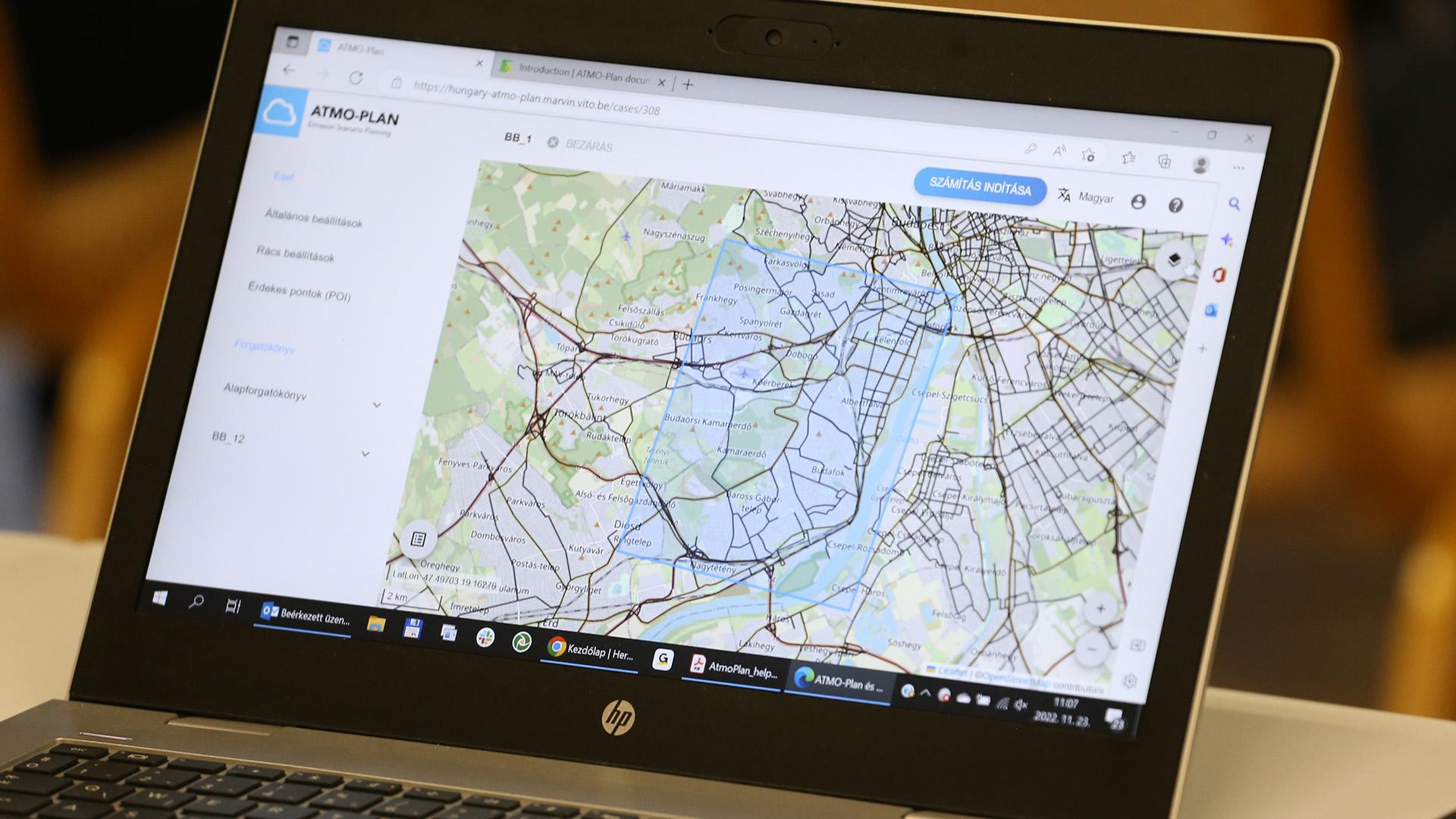
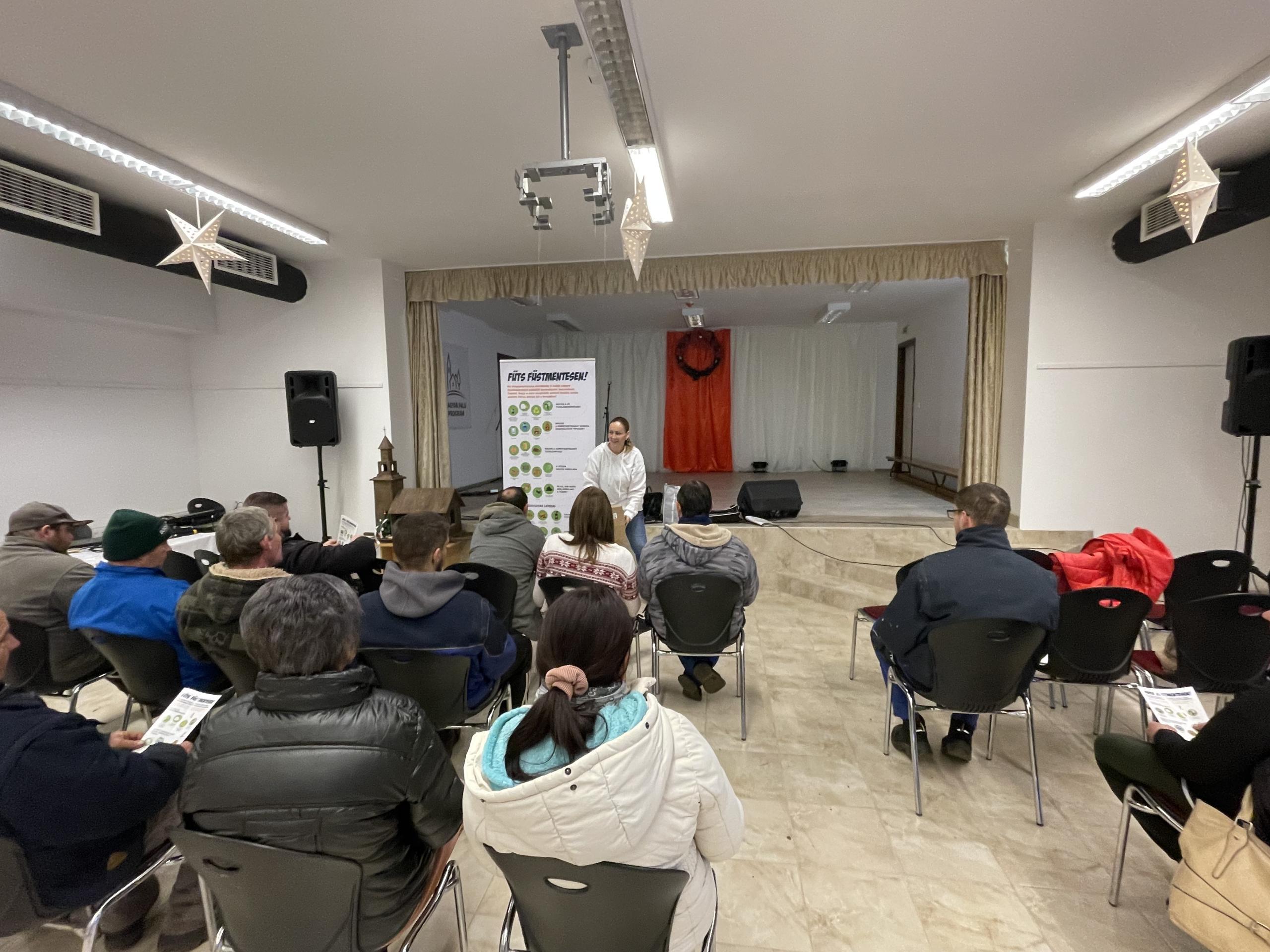
Improving air quality is a complex task that requires coordinated efforts across a wide range of areas, from accurate measurement and modelling data through local measures to raising public awareness.
A continuous indoor air quality monitoring system has been installed in 73 classrooms and activity rooms across six educational institutions in Pécs as part of the HungAIRy LIFE Integrated Project.
Improving air quality can be truly effective when technical developments, sustainable transport solutions and public awareness-raising reinforce one another.
Improving air quality is a complex task that requires coordinated action in several areas, including transport, urban management, energy efficiency, environmental monitoring and public awareness.
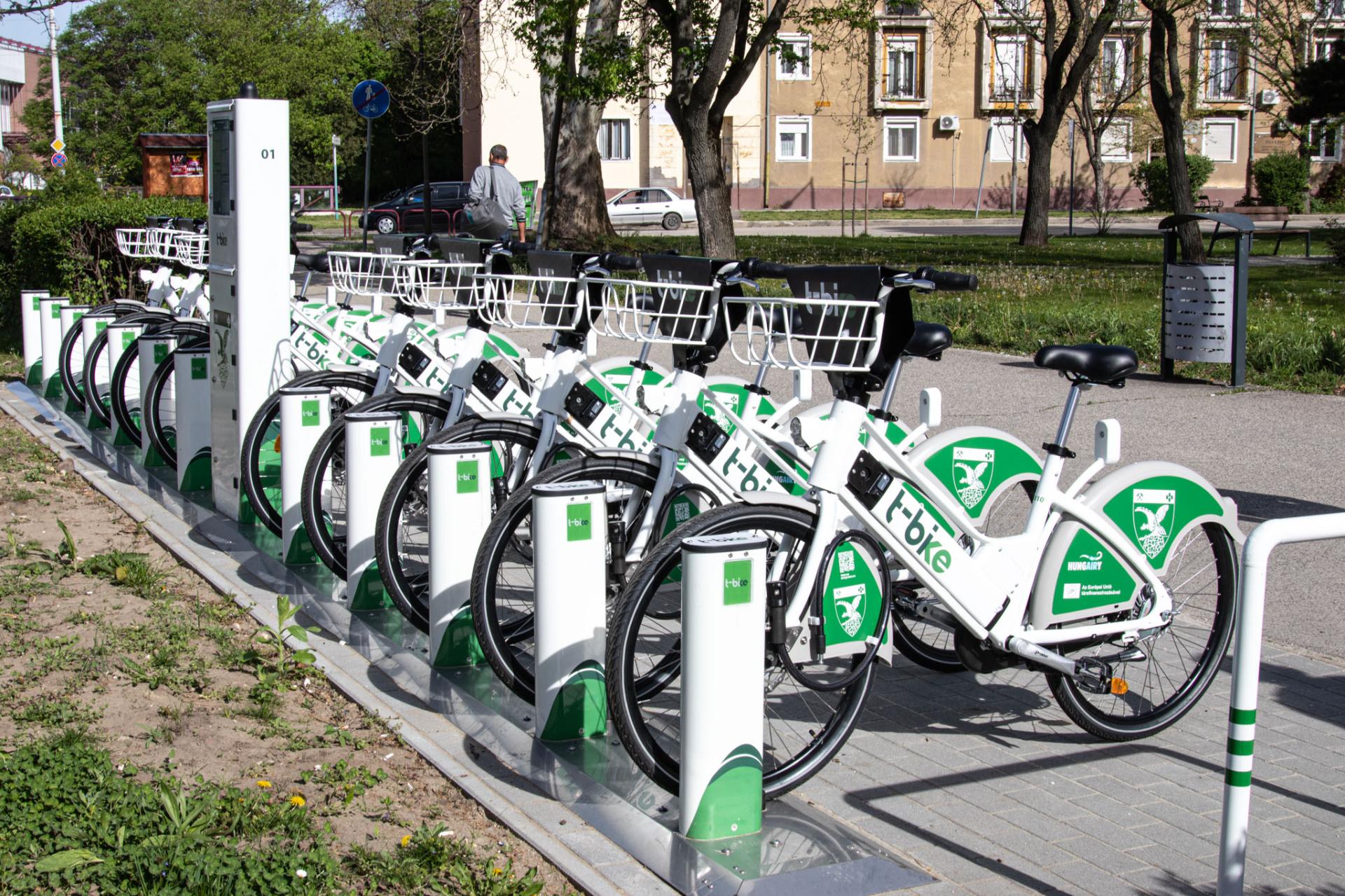
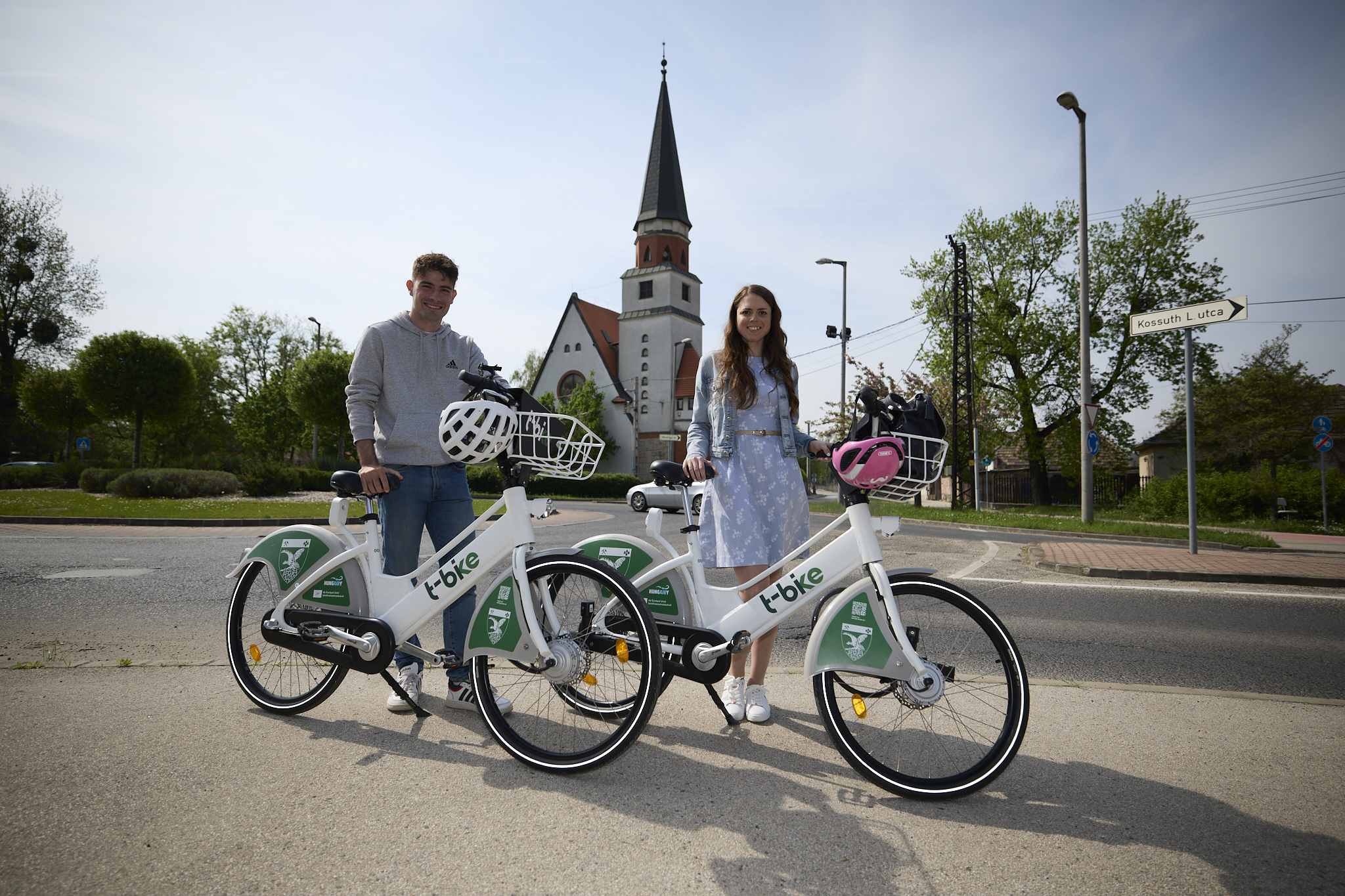
The T-Bike public bike-sharing system, established as part of the LIFE IP HungAIRy project "Improving Air Quality in Eight Regions through the Implementation of Air Quality Plans", has become an integral part of s
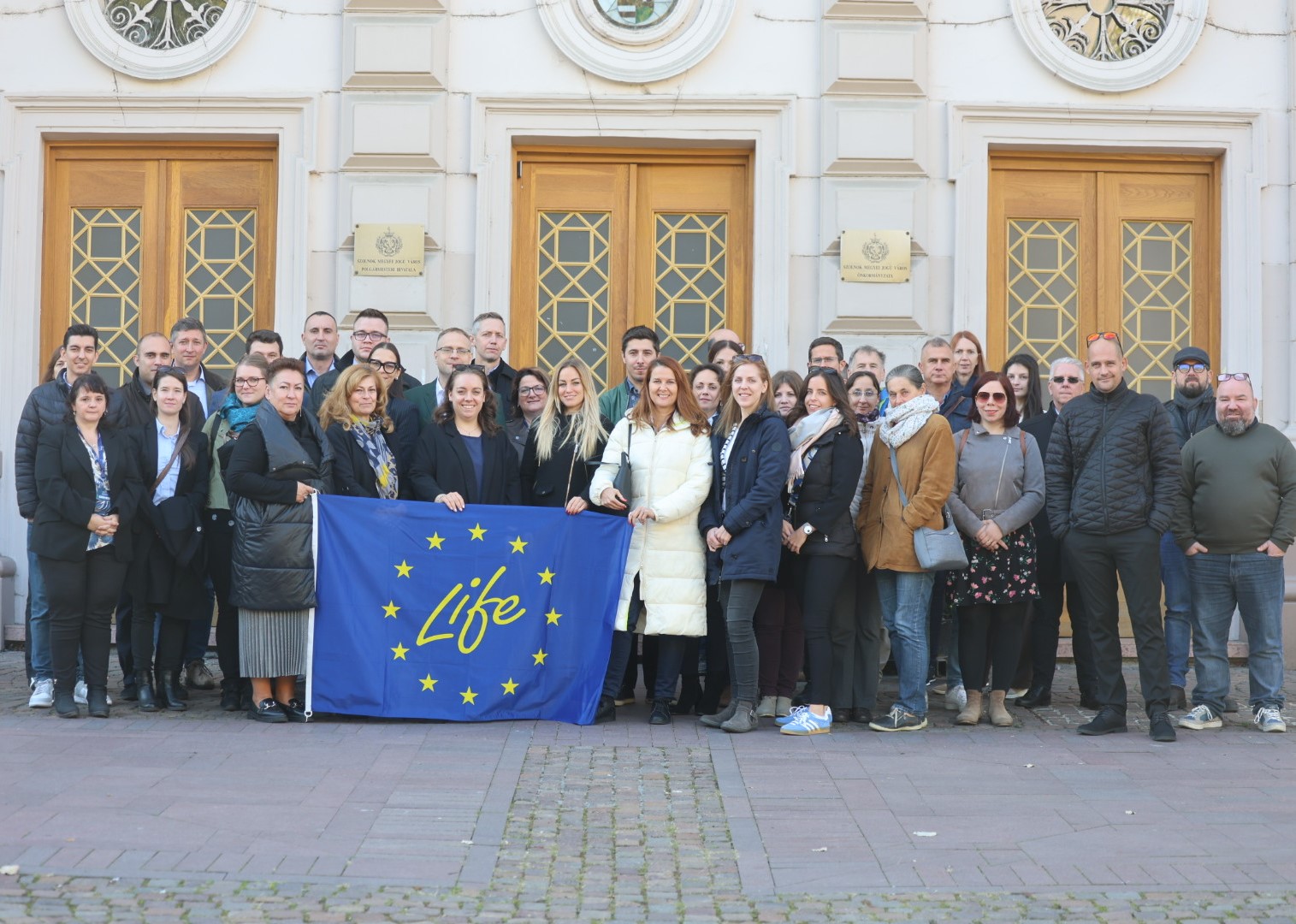
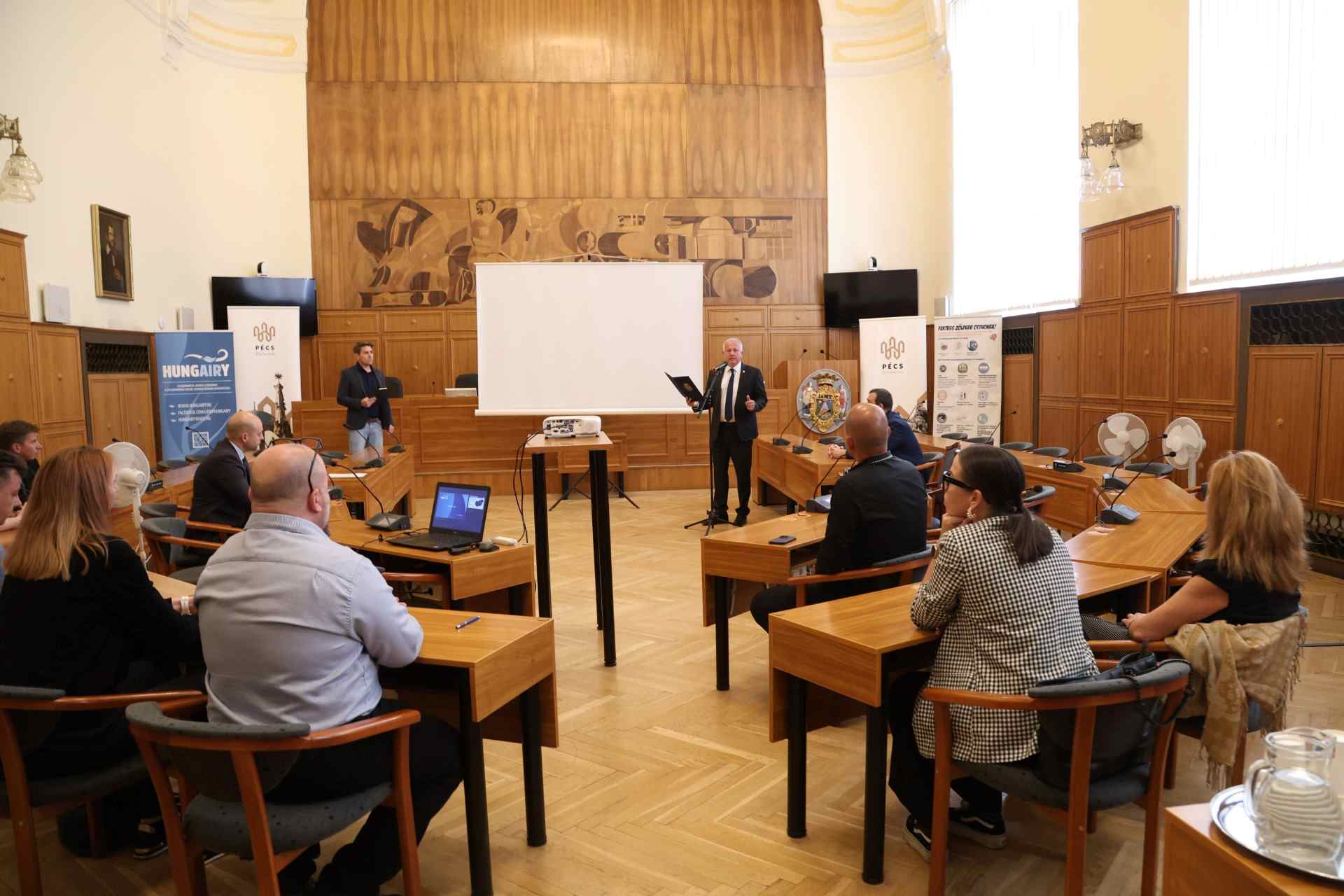
One of the key objectives of the HungAIRy LIFE Integrated Project is to support participating municipalities in developing local solutions that contribute to long-term improvements in air quality.
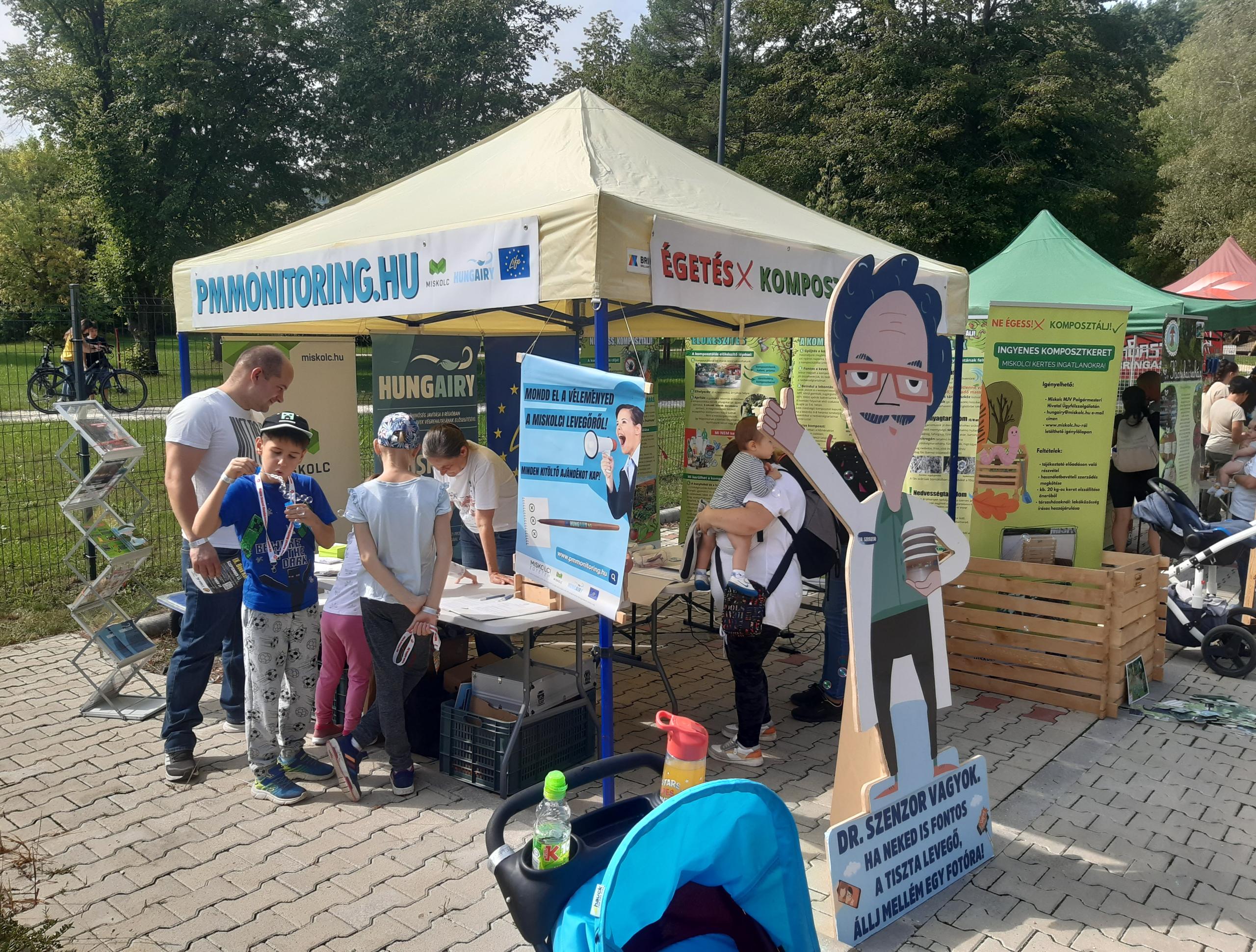
Improving air quality depends not only on technical developments but also on the willingness of residents, local communities, and professional stakeholders to work together to protect the environment.
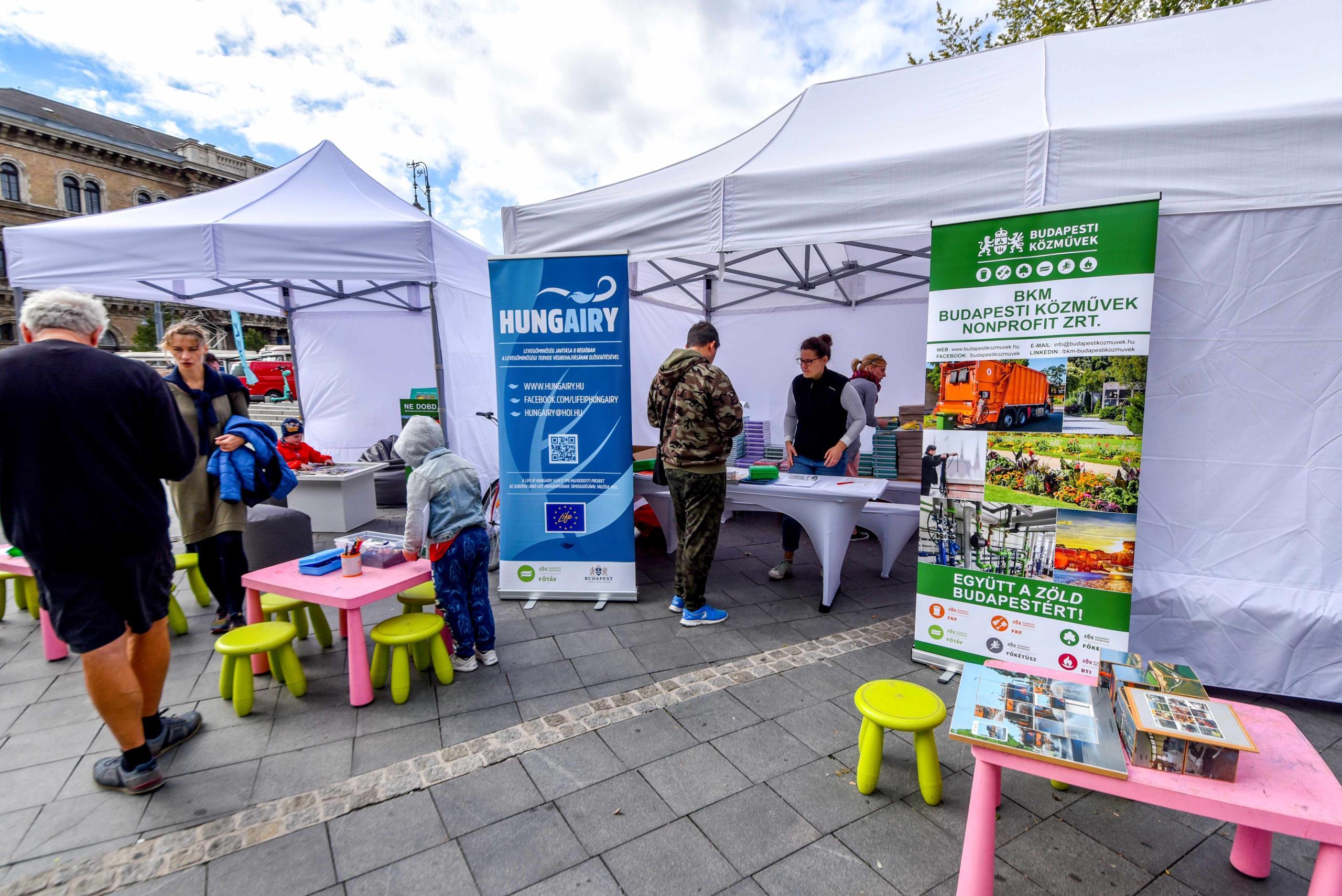
To improve Budapest’s air quality and support more energy-efficient urban operations, BKM Nonprofit Plc. – together with its predecessor, FŐTÁV – has implemented a range of developments in recent years that contribute to a more sustainable capital city.