Results from Our Partner Network: Pécs Improves Air Quality with Smart Solutions
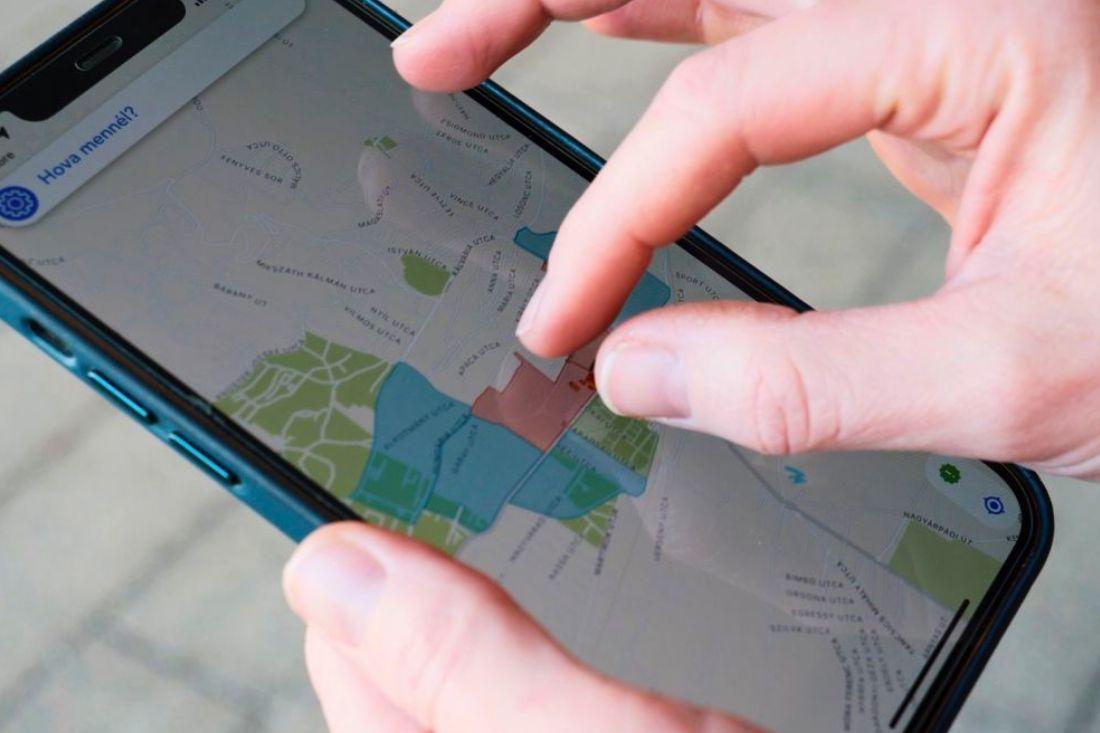
Improving air quality is a complex task that requires coordinated action in several areas, including transport, urban management, energy efficiency, environmental monitoring and public awareness. Within the framework of the LIFE IP HungAIRy project, Pécs has implemented a series of complementary pilot actions that demonstrate how digital and smart solutions can support sustainable urban development and contribute to improved air quality.
Green Space Cadastre: A Digital Tool for Sustainable Urban Management
One of the project’s most significant achievements is the creation of the Pécs green space cadastre, which provides a comprehensive overview of the city’s public green spaces and vegetation. The online, map-based database supports sustainable urban management, helps inform professional decision-making related to green space development, and also gives residents an insight into Pécs’s green assets.
As part of the survey, approximately 700 hectares of green space and nearly 30,000 trees were registered. Every surveyed tree and shrub located in a public area is listed in the system with a unique identifier and detailed information. The database also includes locally protected natural areas, public-space boundaries and trees adopted through the FADOPT programme. The public interface is available at pécsifa.hu.
Following the completion of the project, the data will continue to be updated and the system further developed.
Smart Parking: Less Unnecessary Driving, Cleaner Urban Air
The smart parking system, introduced in 2022, also contributes to reducing air pollution from transport. Using sensors, the system monitors the occupancy of parking spaces in real time and provides this information to drivers via a mobile application and information displays installed at seven locations across the city.
The system reduces unnecessary driving by vehicles searching for available parking spaces, thereby lowering fuel consumption and, consequently, emissions of air pollutants.
Experience gained over recent years shows a steady increase in the number of active users of the Parker mobile application, while parking discipline has improved and the number of parking fines has decreased. Building on these positive results, further expansion of the system, which currently comprises more than 700 sensors, is also being considered. The terminology and figures here follow the existing English-language descriptions of Pécs’s smart parking system and the Parker application.
Energy Assessments: Supporting Well-Informed Decisions on the Renovation of Panel Buildings
An important element of the Pécs pilot action is the assessment of the energy performance of panel buildings. The aim of the programme is to create a city-wide database that provides an accurate picture of the energy efficiency of the building stock and serves as a basis for future renovations and energy-efficiency funding programmes.
Based on data provided by condominium managers, experts assess the energy characteristics of the buildings and prepare local energy ratings and recommendations for modernisation. Within the framework of the project, energy assessments have so far been completed for more than 16,000 panel apartments in Pécs, providing a valuable basis for the city’s long-term energy-efficiency developments. For registered buildings, the most important energy-related information is also made easily accessible to interested parties via QR codes.
The terminology here follows the more recent Pécs article, which refers to prefabricated panel buildings, the local energy rating scale and the assessment of approximately 16,000 apartments.
Healthier Institutions, Better Indoor Air Quality
The project has also placed particular emphasis on assessing indoor air quality in educational institutions. Measuring devices have been installed in six kindergartens and schools in Pécs to continuously monitor particulate matter and carbon dioxide concentrations, temperature, humidity and the presence of volatile organic compounds.
The measurement results are assessed together with outdoor air quality data, providing a detailed picture of indoor air quality in the institutions. The data collected contribute to developing appropriate ventilation practices and creating a healthier and more comfortable learning environment.
In addition to the technical developments, the programme also serves awareness-raising purposes. Teachers receive training on interpreting measurement results and applying appropriate ventilation practices, while children learn about the importance of clean air and conscious ventilation through playful activities.
The use of indoor air quality and ventilation protocols is consistent with the terminology already established in the earlier Pécs material.
Raising Awareness: A Shared Responsibility for Cleaner Air
An important element of the Pécs pilot action is strengthening environmental awareness among local residents. The Eco-manager regularly participates in public forums, professional events and community programmes, providing practical advice on environmentally friendly transport, energy-efficient homes, conscious heating practices and the role of urban green spaces.
Activities organised in kindergartens and schools also play an important role. Through experiential programmes, children learn about the importance of clean air and environmental protection in an engaging and age-appropriate way.
The project’s communication campaigns continuously showcase the results of the developments. Digital urban management, smart transport solutions, energy-efficiency measures, indoor air quality monitoring and awareness-raising programmes all contribute to Pécs becoming a more sustainable, healthier and more liveable city in the long term.


